
Troubleshooting guide · Singapore
Laptop making a clicking noise? Find out if it's your hard drive before it's too late
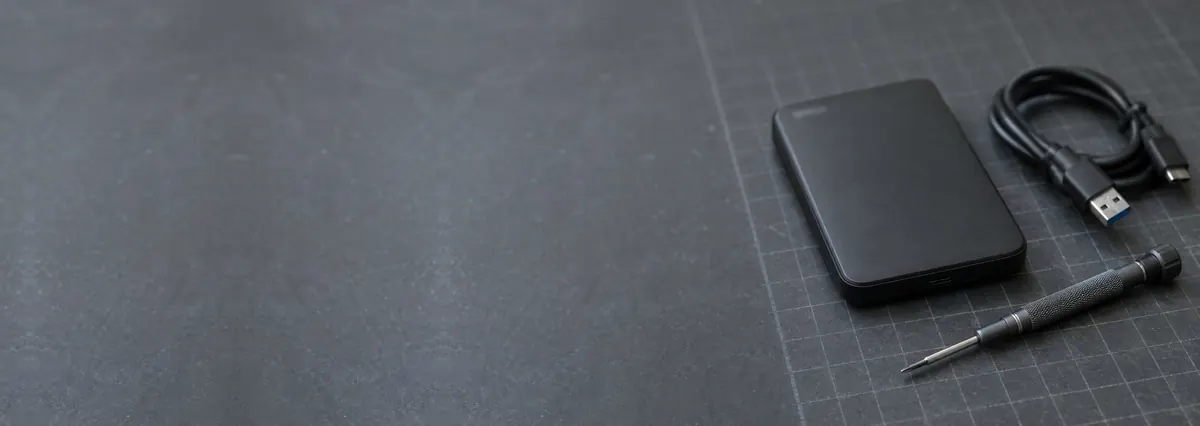
A clicking laptop is one of the few faults where the first minute matters more than the last. A steady, rhythmic click from a mechanical hard drive means the drive is failing — and every extra minute of use risks losing more of your files. This guide helps you tell a dying drive from a harmless fan or coil whine, and tells you exactly what to do first: back up. If the drive holds the only copy of important files, keep it powered off and send it to a clicking-drive recovery specialist.
If the click is a steady, rhythmic tick that comes with freezing or slow file access, treat it as a failing hard drive: back up everything you can right now, then stop using the laptop and get the drive imaged and replaced — ideally with an SSD. If the sound is an irregular tick that rises and falls with fan speed and there are no freezes, it is most likely the cooling fan, which is mechanical but not a data emergency. Never open the drive, and never run repair tools on a disk that is already clicking.
On this page
What a clicking laptop is trying to tell you
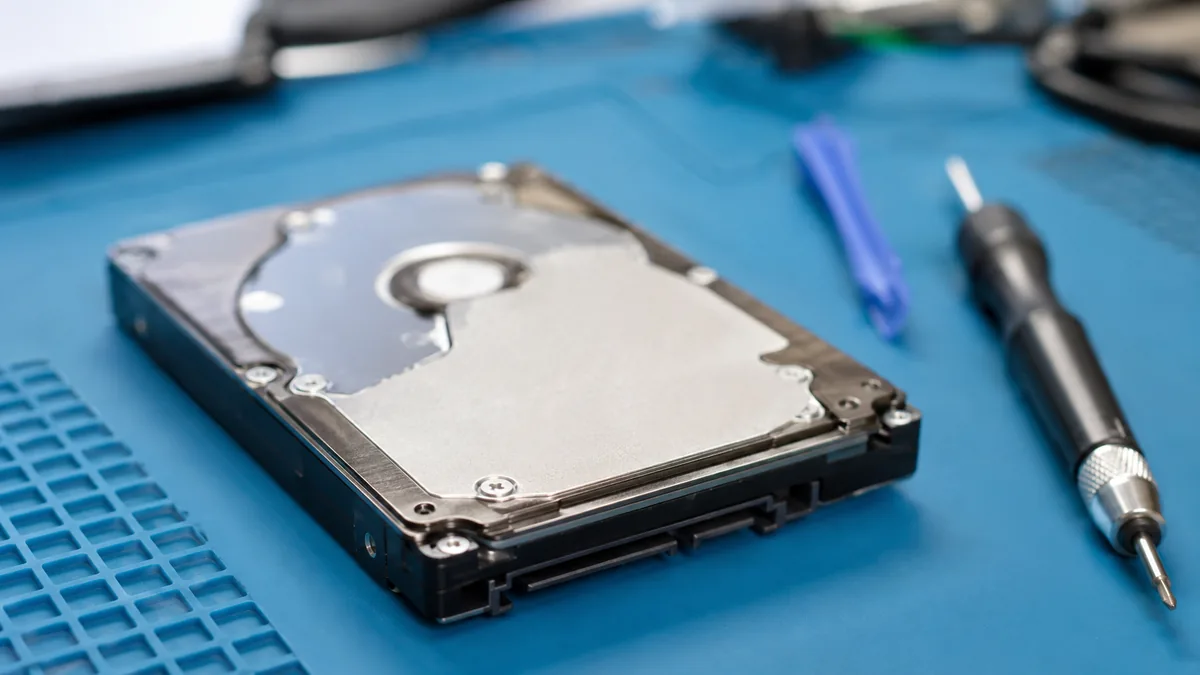
Not every click means the same thing, but one of them is an emergency and the rest are not — so the first job is to work out which click you have. The sound you least want to hear is a steady, rhythmic clicking or clunking that keeps a regular beat, especially when it arrives with the laptop freezing, taking an age to open files, or refusing to boot. That is the classic "click of death" from a mechanical hard drive, and it means the read/write head is repeatedly slamming back to its parked position because it can no longer find or read your data. This is not a noise to investigate at leisure. A drive that clicks is a drive that is actively failing, and the single most important thing you can do is get your files off it before it stops for good.
We put this first, in bold, for a reason: on a failing mechanical drive, every extra minute of use is another chance for the head to score the platter and destroy more data. People lose photos, work and years of files not because the click appeared, but because they kept using the machine after it did — running it "just to finish one thing," or letting Windows try to repair the disk. If there is any chance the click is your hard drive, back up first and ask questions later.
The good news is that a click is not always the drive. The cooling fan is the next most common culprit: a fan ticks or clicks when a blade catches a strand of dust, brushes a stray wire, or when its bearing has worn with age. It is mechanical, and worth fixing so the laptop keeps cooling itself, but it is not a data emergency. A loose internal component or cable can vibrate against the fan or casing and produce an intermittent rattle. Older laptops with an optical drive can click as the disc mechanism spins up or fails to read. And coil whine — a faint electrical clicking or high-pitched buzz from the power circuitry under load — is usually harmless, even if it is annoying.
The trick to telling them apart is to notice what the sound tracks. A hard-drive click is steady and even, appears when the machine is reading or writing, and travels together with freezes and slow file access. A fan noise is more irregular and rises and falls with fan speed — louder when the laptop is hot or working hard, quieter when it idles. If the click gets worse with temperature and load, suspect the fan. If it keeps a metronome beat and the machine hangs, suspect the drive and act accordingly.
Match your symptom to the cause
Use this quick reference to place your particular symptom, and to see whether it is something you can safely check yourself or something that needs a workshop straight away. When the drive is even a possibility, the safe default is always to back up first.
Quick diagnosis
Symptom-to-cause reference
A guide, not a guarantee — the only way to be certain is to read the drive's health and listen inside the machine on the bench, which is exactly what our free diagnosis does.
Hearing a rhythmic click? Don't wait — talk to us now.
Tell us the make, model, exactly what the click sounds like and whether the laptop freezes. A technician replies with a probable cause and honest next steps before you travel — and if it's a failing drive, we'll tell you how to protect your files first. Diagnosis is free on walk-ins.
Safe steps to take right now
Work through these in order. They are all safe, none of them involves opening the laptop or the drive, and the first one decides everything that follows. If there is any chance the click is your hard drive, protecting your files comes before every other step.
- Identify the source before you touch anything. Listen carefully. Does the click keep a steady, even beat, and does it come with the laptop freezing or taking a long time to open files? That points to the hard drive. Or does the tick rise and fall with fan speed — louder when hot or under load, quiet when idle — with no freezes at all? That points to the fan. Getting this right is the whole game.
- If a drive is even possible, back up everything now. This is the urgent one. Copy your important files — photos, documents, work — to an external drive or the cloud immediately, starting with what you would most hate to lose. Do not wait until you have "finished one more thing." A failing drive can go from clicking to dead in hours, so treat the backup as the emergency it is.
- Once you have what you can, stop using the machine. Every minute a clicking drive keeps spinning risks the head damaging more of the platter. If the backup fails or the drive is already too unstable to copy from, power the laptop down and leave it off — a professional data-recovery job stands a far better chance than repeated attempts of your own.
- Do not run repair tools on a suspected failing drive. Skip CHKDSK, disk-repair utilities and "recovery" software on a disk that is clicking. They keep the failing drive spinning and writing, which is exactly what you do not want on a disk that may be moments from giving up. Never open the drive itself, either — the platters must stay sealed.
- If it's clearly the fan, clear the vents from the outside. When the noise tracks fan speed and the machine is otherwise healthy, shut the laptop down and give the air vents short bursts of compressed air from the outside to dislodge dust. Hold the fan still with nothing more than the airflow — do not poke objects into the vents. This sometimes quietens a fan that is catching on debris.
- Note what you hear and when. Whether it is the drive or the fan, write down when the click happens — on start-up, when opening files, when the laptop is hot — and whether it comes with freezes. Those few details let a technician zero in on the fault quickly, and they help us tell a data emergency from a routine fan service before you even arrive.
Do not keep using a laptop that clicks rhythmically and freezes in the hope it "settles down" — it will not, and you are spending your data doing it. Do not run disk-repair or recovery software on a clicking drive, and never open the drive to look inside; a hard drive is sealed for a reason and opening it outside a clean environment ends any chance of recovery. If your files matter and the backup will not complete, stop and let a professional image the drive on write-blocked hardware.

When to get professional repair
If the click is a steady beat that comes with freezes, slow file access or a failure to boot, the machine has reached the point where a workshop is the safe next move — and the sooner the better. What happens next depends on which of two very different jobs you are looking at:
- A clicking hard drive is a data-recovery job first. The drive is imaged on write-blocked hardware, so nothing new is written to a disk that is already unstable, and your files are pulled off before anything else. In the worst cases the platters are worked on in a controlled environment. This is delicate, time-sensitive work — see our data recovery service.
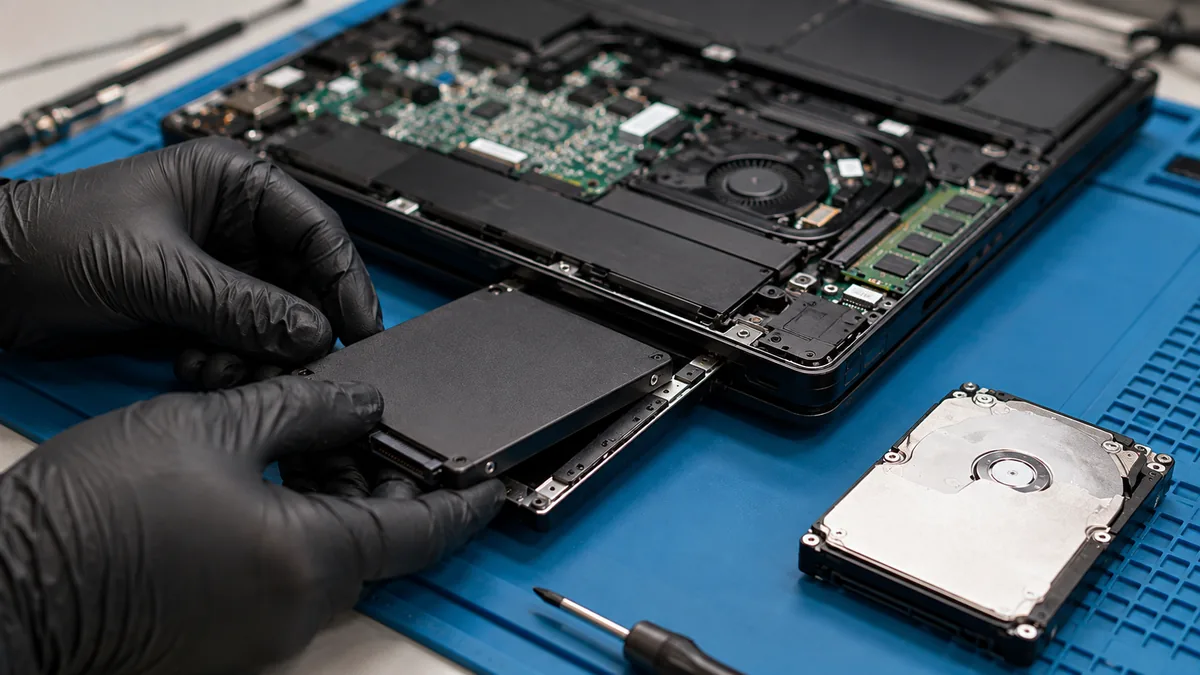
- Then the drive should be replaced, ideally with an SSD. Once your data is safe, a mechanical drive that has started clicking should not go back into service. A solid-state drive has no heads or platters to fail, and it makes the laptop faster and quieter into the bargain — see our laptop SSD upgrade service.
- A clicking fan needs a fan replacement or thermal service. If the noise is the cooling fan — a worn bearing or a blade catching on debris — clearing the vents may buy time, but a fan that keeps clicking should be replaced before it seizes and lets the laptop overheat. Our laptop fan replacement service handles the fan and a full clean-out.
Whichever it turns out to be, our diagnosis comes first and is free on walk-ins: we listen to the machine, read the drive's health, and tell you what is wrong and what it will cost before any work begins — and if we cannot fix it, you do not pay a repair fee. For a clicking drive, we will always help you protect your files before we touch anything else. For anything else the laptop is doing, our general laptop repair service covers every brand, and our laptop parts replacement process explains how we work.
Related repair services
If it turns out to be the drive or the fan
Data recovery
Files pulled from a clicking drive before anything else is done.
See the service →SSD upgrade
Replace a failing mechanical drive with a faster, quieter SSD.
See the service →Fan replacement
A clicking or worn fan replaced with a full dust clean-out.
See the service →Questions we get every week
Laptop making a clicking noise — frequently asked questions
Is a clicking sound from my laptop a sign the hard drive is dying?
If it is a steady, rhythmic click — often called the click of death — and it comes with the laptop freezing, taking a long time to open files or failing to boot, then yes, a mechanical hard drive is very likely failing. That click is the read/write head repeatedly resetting because it cannot find data. Back up everything you can right now, then stop using the machine. Every extra minute a failing drive runs is another chance for the head to damage more of the platter and take your files with it.
How do I tell whether the clicking is the hard drive or the fan?
Listen to the rhythm and what it tracks. A drive click is usually a steady, evenly spaced tick that appears when the machine is reading or writing, and it comes hand in hand with freezes and slow file access. A fan noise is more of an irregular tick or rattle that rises and falls with fan speed — it gets louder when the laptop is hot or under load and quiet when it idles. If the sound changes with temperature and workload it points to the fan; if it tracks disk activity and comes with freezes it points to the drive.
My laptop clicks but still works fine. Can I keep using it?
It depends on the source, and you should find that out before you gamble. If the click is the fan or harmless coil whine, the laptop is not in danger and you can keep using it while you arrange a service. But if there is any chance it is the hard drive, a machine that still works is exactly the moment to act — a failing drive often keeps running for a while before it stops for good. Back up immediately, because the window between the first click and total failure can be hours rather than weeks.
Can you recover data from a hard drive that is already clicking?
Often, yes, but it becomes a data-recovery job rather than a repair, and time matters. A clicking drive is imaged on write-blocked hardware so nothing new is written to a disk that is already unstable, and in the worst cases the platters are worked on in a clean environment. What ruins recovery is repeated power cycles and consumer repair tools that keep the failing drive spinning. Stop using it, do not run disk-repair utilities on it, and bring it in so it can be handled properly.
The clicking changes with fan speed and there are no freezes. What is it?
That pattern points at the cooling fan rather than the drive. A fan clicks or ticks when a blade catches a strand of dust or a stray wire, or when the bearing has worn. It is mechanical and worth fixing so the laptop keeps cooling properly, but it is not a data emergency. Clearing the vents from the outside with short bursts of compressed air sometimes quietens it; if it persists, the fan needs replacing. A worn fan left alone eventually seizes and lets the laptop overheat.
Should I replace a clicking hard drive with an SSD?
Once your data is safe, yes — an SSD is the natural replacement. Solid-state drives have no moving heads or platters, so they cannot suffer the mechanical click of death, and they make an older laptop noticeably faster and quieter as a bonus. We recover or transfer your files first, then fit and set up the new drive so the machine boots as before. If the files matter, we handle recovery before the swap so nothing is lost in the changeover.
Still hearing something you can't place? Compare notes with our guides on a noisy laptop fan and a laptop that keeps freezing — freezing alongside a click is a strong hint the drive is involved.
Bring it in for a free diagnosis
Walk-ins welcome from the CBD, Orchard, Novena, Toa Payoh, Bishan, Ang Mo Kio, Jurong East, Clementi, Tampines, Bedok, Woodlands, Yishun, Hougang and Punggol. If it's a failing drive, we'll help you protect your files first — and tell you what recovery or repair costs before any work begins.